Building Chile's second-largest multi-brand retail group
How operator-led strategy, disciplined M&A, and AI deployment at scale transformed a collection of brands into a retail platform with roughly US$230M in expected 2025 sales.
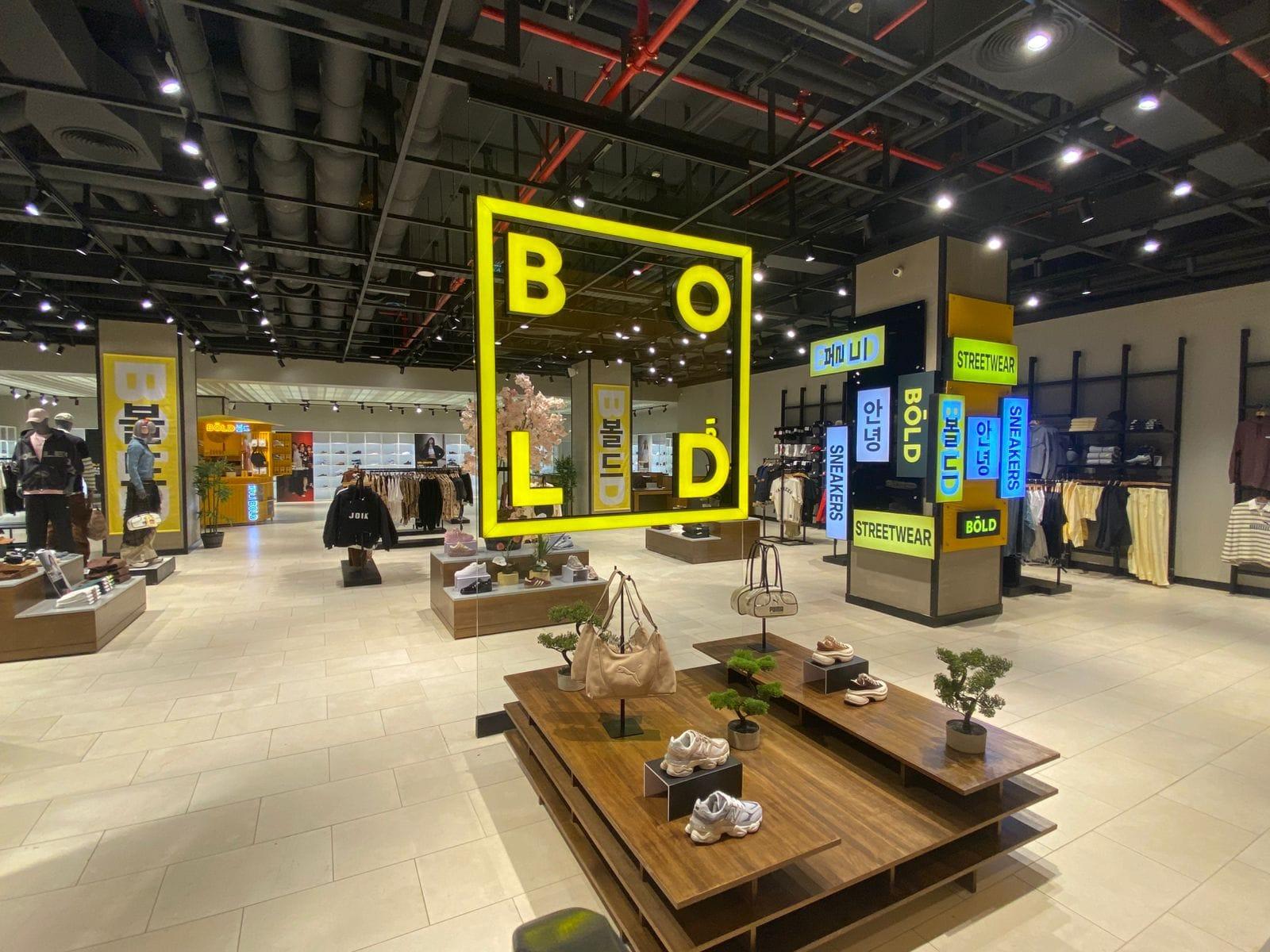
What is Yáneken?
Yáneken is Chile's second-largest multi-brand retail group: about 150 stores from Arica to Punta Arenas, 10+ brands and roughly 1,500 people, built over three generations from a single store opened in 1985. It is led by Sebastian Gebhardt, its third-generation CEO and a co-founder of Menlo & Oak.
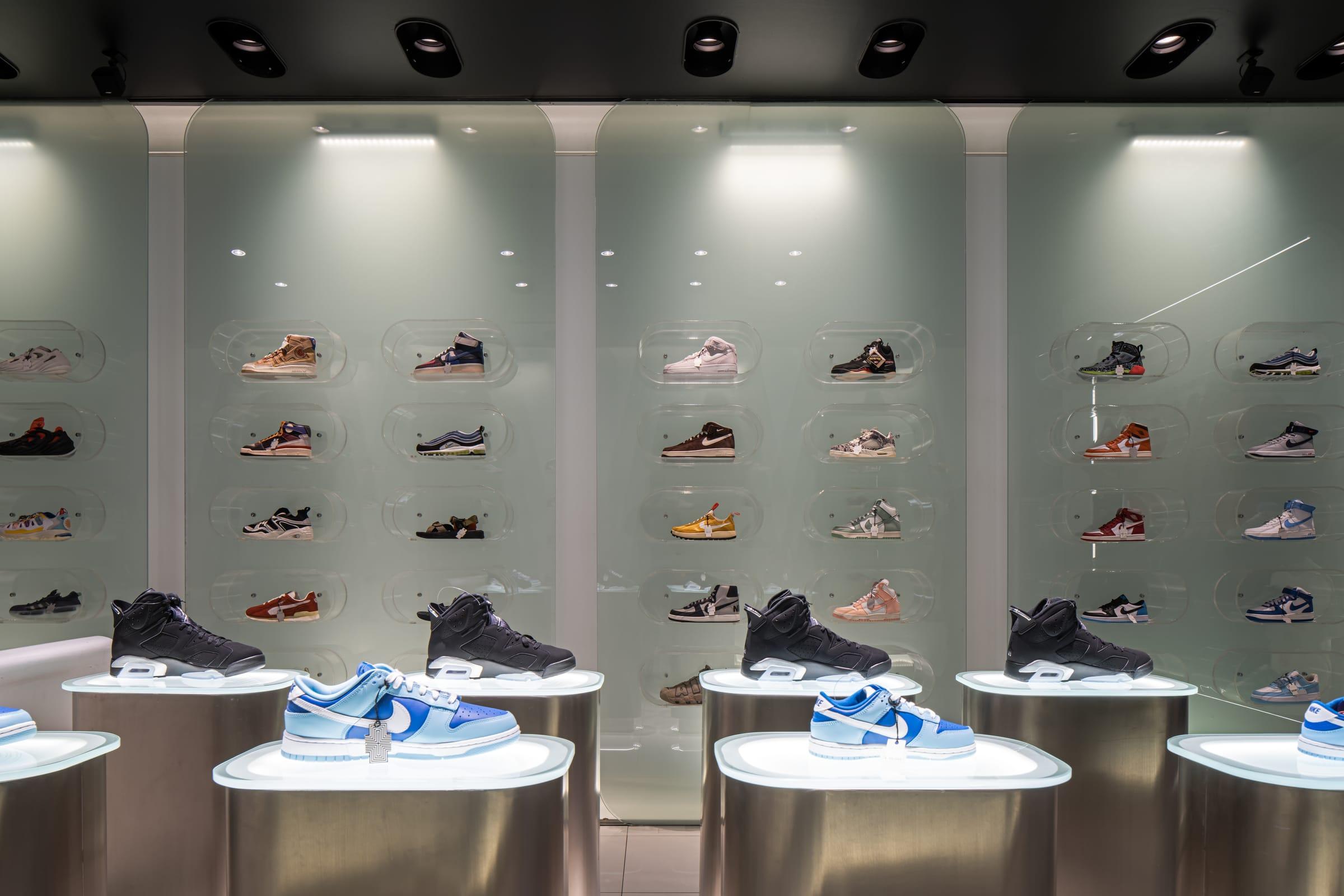
Bold · Drops · Belsport · Hoka · Bamers · Aufbau · The Lab · Antihuman
- Who runs Yáneken?
- Sebastian Gebhardt is CEO, the third generation to lead the group. The first store was opened in 1985 on Paseo Ahumada in Santiago by his grandfather, Pedro Rishmague.
- How big is Yáneken?
- About 150 stores and 10+ brands, roughly 1,500 employees and roughly US$230M in expected 2025 sales, with presence from Arica to Punta Arenas. An independent 2026 study by Diario Financiero placed Yáneken among the four groups controlling 75.6% of Chile's specialty fashion retail.
- What brands does Yáneken own?
- The portfolio spans sportswear, footwear and lifestyle retail, including Bold, Drops, Belsport, Hoka, Bamers, Aufbau, The Lab and Antihuman. The group also acquired the urban magazine Joia in 2023.
- Where does Yáneken operate?
- Across Chile, end to end — from Arica in the far north to Punta Arenas in the far south — with headquarters in Santiago. The group operates both physical retail and ecommerce.
- How did Yáneken grow so quickly?
- Through disciplined acquisition rather than organic expansion alone — buying brands with strong fundamentals but weak infrastructure, then integrating them onto shared back-office, procurement and technology. More recently that has included AI systems built in-house rather than licensed.
A fragmented market with no playbook
Chile's multi-brand retail landscape was fragmented — dozens of independent brands operating in isolation, each with its own supply chain, technology stack, and go-to-market approach. There was no Chilean equivalent of a multi-brand retail aggregator. No playbook for rolling up brands, integrating operations, and creating shared infrastructure at scale.
The brands themselves were strong — loyal customer bases, proven product-market fit, prime locations — but they lacked the operational backbone, technology investment, and strategic coordination needed to compete against vertically integrated international players. The question wasn't whether consolidation would happen, but who would lead it and how.
Acquire, integrate, modernize — repeat
The strategy was built on three pillars. First, disciplined M&A: identifying brands with strong fundamentals but operational upside, negotiating acquisitions that created value from day one, and building a repeatable integration playbook. Each acquisition added not just revenue, but capabilities — new categories, new geographies, new customer segments.
Second, operational integration: shared back-office, centralized procurement, unified HR and finance. Third — and most critically — technology-first transformation. We deployed AI across the group: automated customer service, machine learning demand forecasting, intelligent inventory management. Not as innovation theater, but as operational infrastructure. Every AI initiative had to justify itself against the P&L within quarters, not years.
From brand collection to retail platform
Yaneken grew to become Chile's second-largest multi-brand retail group — roughly US$230M in expected 2025 sales, about 150 stores, 10+ brands across multiple categories. The M&A playbook proved repeatable: each new brand integrated faster than the last, with shared infrastructure reducing the marginal cost of adding scale.
The AI deployment delivered measurable operational gains: reduced customer service response times, improved demand forecast accuracy, and automated processes that previously required manual intervention across every brand. More importantly, it created a technology-forward culture inside a traditionally analog industry — proving that retail transformation doesn't require replacing people — it requires giving them better tools.
“Consultants build strategies. Operators build companies. The difference is that one gets presented in a boardroom and the other gets tested on Monday morning across about 150 stores.”